
Atrial Fibrillation: The New Epidemic in Cardio Disease
Atrial Fibrillation (A-Fib or AF) is the most common cardiac arrhythmia (abnormal heart rhythm) seen by physicians and is one of the most undertreated heart rhythm disorders.
What is Atrial Fibrillation?
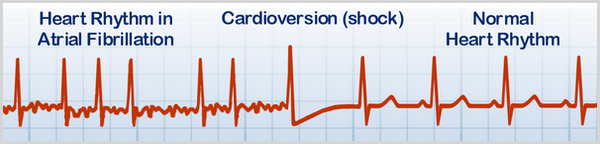
Atrial Fibrillation is a serious heart disease in which the upper chambers (atria) of the heart beat out of rhythm with the lower chambers (ventricles) of the heart.
This causes the heart to race in an irregular and often rapid pattern, as fast as 300 to 600 times per minute (normal adult rate is 60–100 beats per minute).
- In A-Fib you lose 15% or more of your heart’s normal pumping volume along with lower oxygen levels. Your body and brain aren’t getting the blood and nourishment they need.
- A progressive disease, A-Fib can lead to other heart rhythm problems. When left untreated, A-Fib patients have a five times higher chance of stroke, and a greater risk of heart failure.
- Diagnosis is by a combination of taking the patient’s pulse and by a simple test called an electrocardiogram (ECG or EKG).
What are the symptoms?
Symptoms can include pounding or fluttering in the chest (palpitations), shortness of breath, weakness, chest pain, fatigue, dizziness or fainting.
Often patients feel tired and listless. Episodes of atrial fibrillation can come and go, or may be chronic; and can range from mild to severe. Some A-Fib patients feel no symptoms at all.
Who gets Atrial Fibrillation?
- Anyone can get A-Fib. But the older one becomes, the more likely A-Fib is to develop.
- Persons over the age of 40 have a 1 in 4 lifetime risk of developing atrial fibrillation.
- Approximately 70 percent of A-Fib patients are between the ages of 65 and 85.
What causes A-Fib?
Research has shown a strong correlation between Atrial Fibrillation and high blood pressure (hypertension), diabetes, sleep apnea syndrome and obesity.
A-Fib may be related to coronary artery disease (CAD), thyroid disease, structural defects of the heart and its valves, lung disease or other medical conditions. A-Fib can also run in families. In many patients, there is no apparent cause for A-Fib.
What are the risks?
- Risks: include stroke, permanent heart damage, heart attack, heart failure and death.
- A-Fib-related strokes: account for 15% to 20% of all strokes, with a 50% higher risk of remaining disabled or handicapped.
- Remodeling: A-Fib can damage and weaken the heart, making it work harder over time, and can become permanent.
- Dementia: A-Fib patients are 44% more likely to develop dementia.
How is A-Fib treated?
There are three components to the treatment of Atrial Fibrillation:
- Addressing the increased risk of blood clots and stroke
- Controlling the rhythm and rate of the heart to prevent enlargement, development of fibrosis and heart disease
- Treating the patient’s often debilitating symptoms
Short-term and long-term A-Fib treatments to control or eliminate the abnormal heart rhythm include:
- Drug therapies
- Cardioversion
- Catheter Ablation and Surgery
- Pacemakers and Ablation of the AV Node
What is the impact?
Medicare alone pays $15.7 billion per year to treat newly diagnosed A-Fib patients. A-Fib-related hospital admissions have risen 60% in the last 20 years.
Patients with A-Fib often find that the normal activities of daily life become increasingly difficult and often have psychological, emotional and social effects as well. Because A-Fib is a progressive condition, the patient’s quality of life often deteriorates.